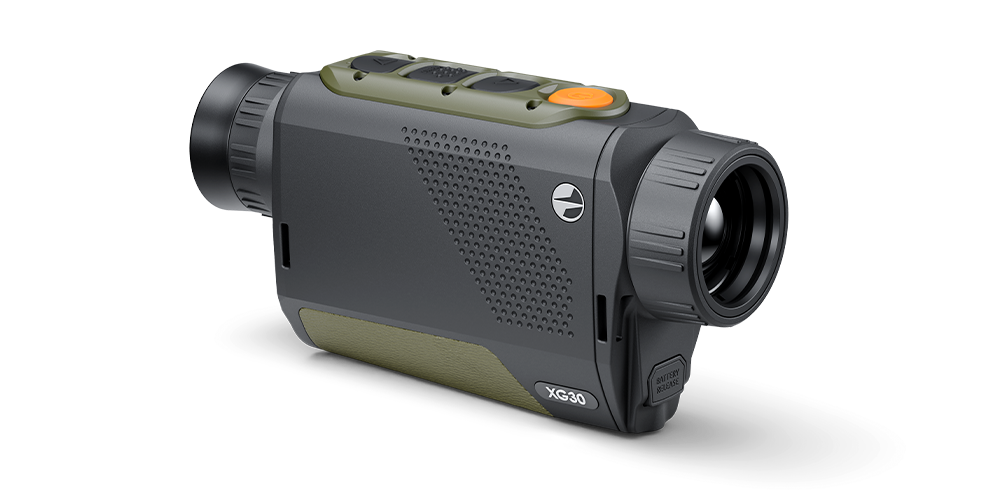
When temperatures soar in the UK, as they have been over recent weeks, most wildlife enthusiasts instinctively grab their kit and a bottle of water and head out to do what they love to do — observe nature. But while the warmer weather changes animal behaviour, it also changes how your thermal imaging device performs. Understanding these changes will help you get the very best from your Pulsar Wildlife thermal imager and continue enjoying productive wildlife observation throughout the summer.
The good news? Pulsar Wildlife thermal imagers are built to perform in demanding environments, including high temperatures and humid conditions, making them reliable companions whatever the British weather decides to do.
Why Hot Weather Affects Thermal Imaging
Thermal imaging works by detecting differences in heat rather than relying on visible light, which means that during cooler months, warm-blooded animals will often stand out dramatically against cold backgrounds, creating excellent thermal contrast.
In hot weather, however, the landscape itself absorbs heat throughout the day. Grass, rocks, tree trunks and even fence posts become warmer, reducing the temperature difference between wildlife and its surroundings. This means animals can appear less defined, particularly during the hottest part of the afternoon and especially in the record-breaking heat we’ve been experiencing in the UK lately.
Fortunately, a high-quality thermal imager like those in the Pulsar Wildlife range is specifically designed to preserve as much detail and contrast as possible, even when conditions become more challenging.
How Do You Improve Your Thermal Experience in Hot Weather?
One of the simplest ways to improve your results is to adjust when you head outdoors.
Early Morning
The hours immediately after sunrise are often excellent for wildlife observation. Many mammals remain active after a night of feeding, while the ground hasn’t yet absorbed the full intensity of the day’s sunshine.
Late Evening
In the evening, as temperatures begin to fall, wildlife activity often increases again. Deer emerge into open fields, foxes begin their nightly patrols, and badgers prepare to leave their setts.
Avoid the Midday Heat
Not only is midday the most uncomfortable time for observers, it’s also when thermal contrast is usually at its lowest. Animals often seek shade and remain inactive, making them both harder to locate and less likely to be moving.
Look for Cooler Habitats
Animals are just as keen to escape the heat as we are… During hot spells, be sure to concentrate your scanning around woodland edges, shaded hedgerows, watercourses and ponds, or dense vegetation, as these areas remain cooler for longer and naturally attract wildlife seeking shelter or water.
You’ll often achieve stronger thermal contrast in these areas because the background temperatures are lower than in exposed fields baked by direct sunshine.
Scan More Slowly
Reduced thermal contrast caused by extreme heat means animals won’t always be as easily discernible within the image as they would be on a frosty winter evening. So, instead of sweeping quickly across a field, make sure you slow your scanning speed, pausing regularly to allow your eyes time to study the image. Even subtle heat signatures become much easier to recognise when the image is held steady for a moment.
Use Movement to Your Advantage
Even when an animal’s heat signature blends more closely with its surroundings, movement remains one of the easiest things to detect. Thermal imaging excels at detecting movement that would often go unnoticed through conventional optics so, in these instances, you would be best to watch for ears twitching, birds moving through vegetation, mammals crossing field margins, and small changes in posture.
Make the Most of Shaded Ground
Open fields can become almost uniformly warm during prolonged sunshine, making animals more difficult to distinguish. During a heatwave, you could glean better results by scanning tree lines, hedgerows, recently shaded areas, woodland rides, or riverbanks.
These cooler backgrounds provide greater temperature separation and can make wildlife appear much more clearly.
Don’t Forget Water
During periods of hot weather, water becomes one of the biggest wildlife magnets. Ponds, lakes, and streams attract everything from foxes and deer to owls, bats, and countless bird species. Setting up at a discreet distance before dusk can produce fantastic wildlife encounters while allowing your thermal imager to excel against the cooler surroundings.
Keep Your Optics Comfortable
Although Pulsar Wildlife devices are engineered to operate in extreme temperatures and adverse weather, it’s still good practice to look after your equipment.
A few simple habits make a difference:
- Avoid leaving your thermal imager in direct sunlight when not in use.
- Store it in its protective case when not in use.
- Keep the germanium objective lens clean using an appropriate lens cloth.
- Carry a spare battery if you’re planning extended evening sessions, as extreme heat can affect battery performance over long periods.
Record Your Sightings
Summer offers unique opportunities to observe breeding behaviour, juvenile animals and increased nocturnal activity.
Every Pulsar Wildlife thermal imaging device features a built-in video recorder (with audio) and still image capture, making it easy to document memorable sightings for later review or share them with fellow enthusiasts.
Recording footage also allows you to study behaviour you may have missed in real time and contributes valuable observations for conservation or ecological projects.
Respect Wildlife
Hot weather places additional stress on many species. One of thermal imaging’s greatest advantages is that it allows you to observe animals without disturbing them or elevating that stress level any further. Unlike torches or artificial illumination, thermal imagers detect naturally emitted heat and do not project visible light towards wildlife, allowing you to enjoy authentic behaviour from a respectful distance.
Maintain sensible distances, avoid blocking access to water sources, and never approach nesting birds or young mammals simply for a closer look.
Embrace Summer Thermal Wildlife Watching
While the UK’s current hot weather presents a different set of challenges for thermal imaging, it also creates exciting opportunities. Understanding how temperature affects thermal contrast, choosing the right time of day and focusing on cooler habitats will dramatically improve your success.
Pulsar Wildlife thermal imaging devices are designed to perform in demanding conditions, allowing you to continue exploring nature even when the mercury rises. With a little patience and a few seasonal adjustments, you’ll soon discover that summer evenings can deliver some of the most rewarding wildlife encounters of the entire year.
So, grab your Pulsar Wildlife thermal imager, get out into the great outdoors, and discover just how much life emerges as the UK begins to cool after another hot summer day.
Discover the Pulsar Wildlife Range:
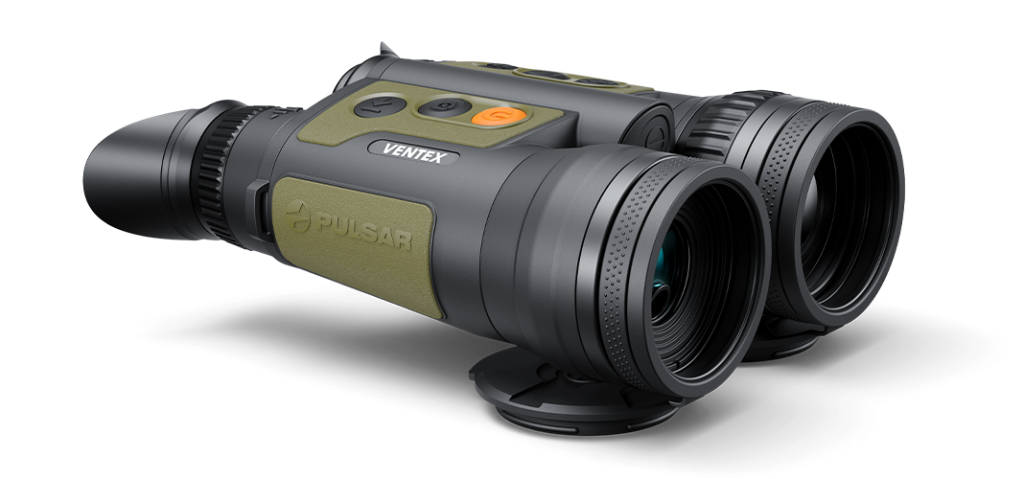
Ventex Series
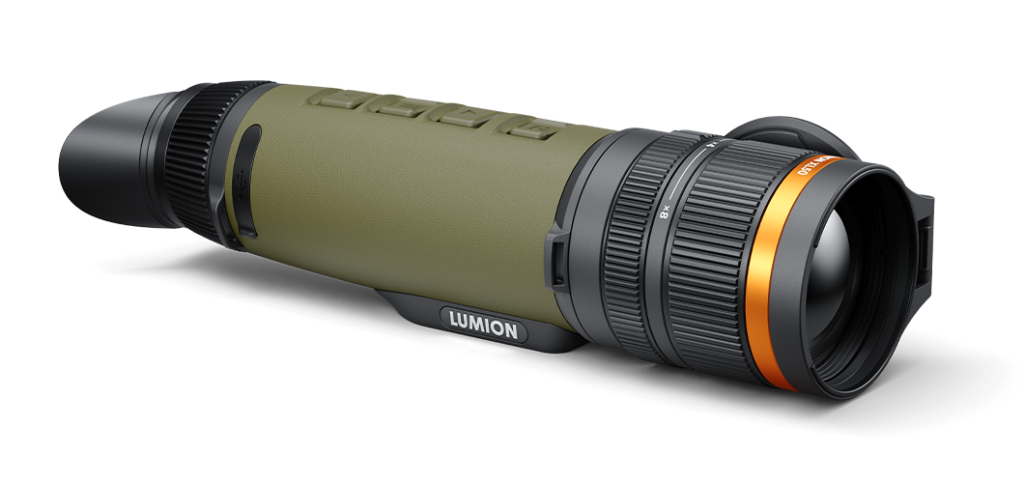
Lumion XL50
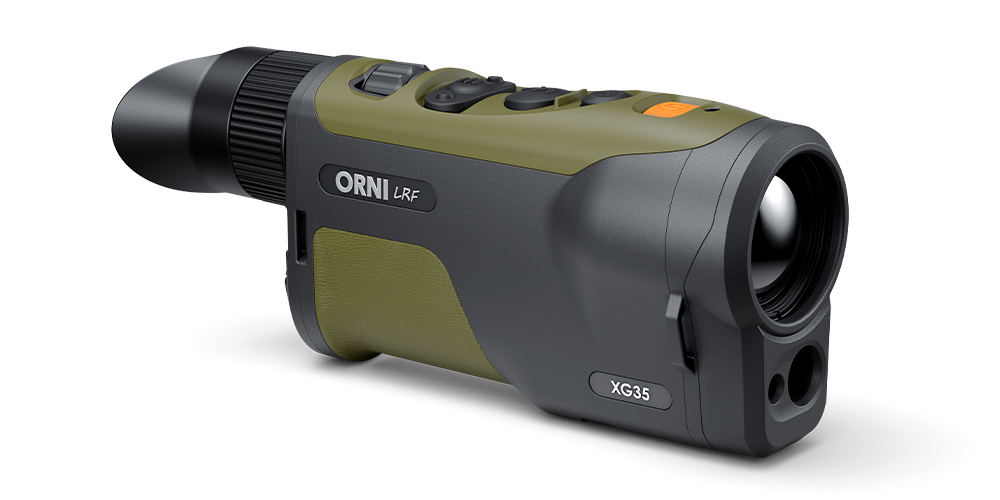
Orni XG35